
Project Overview
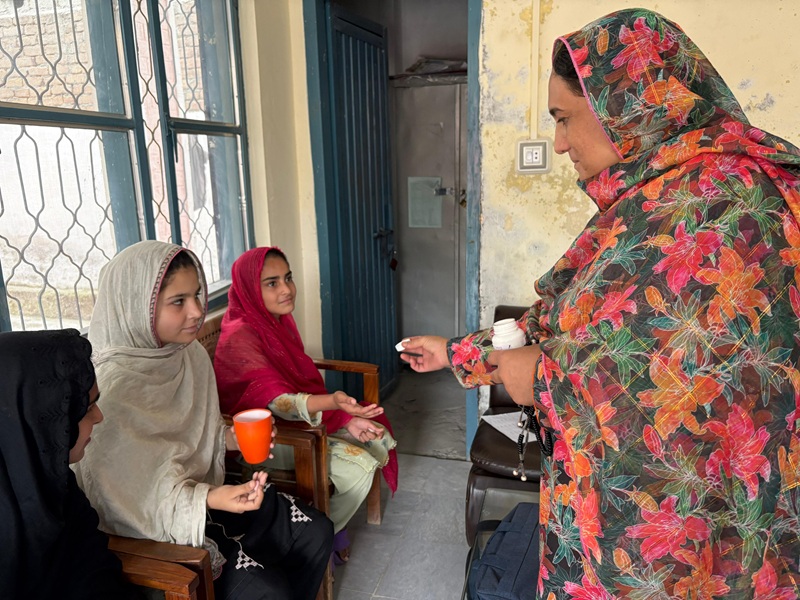
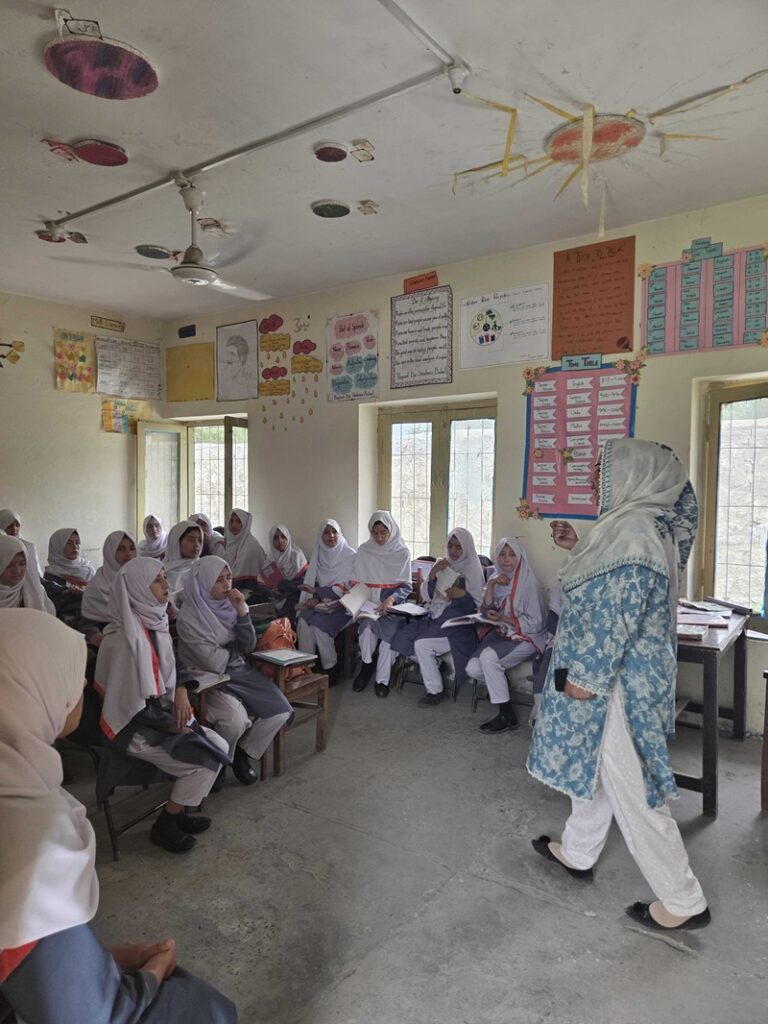
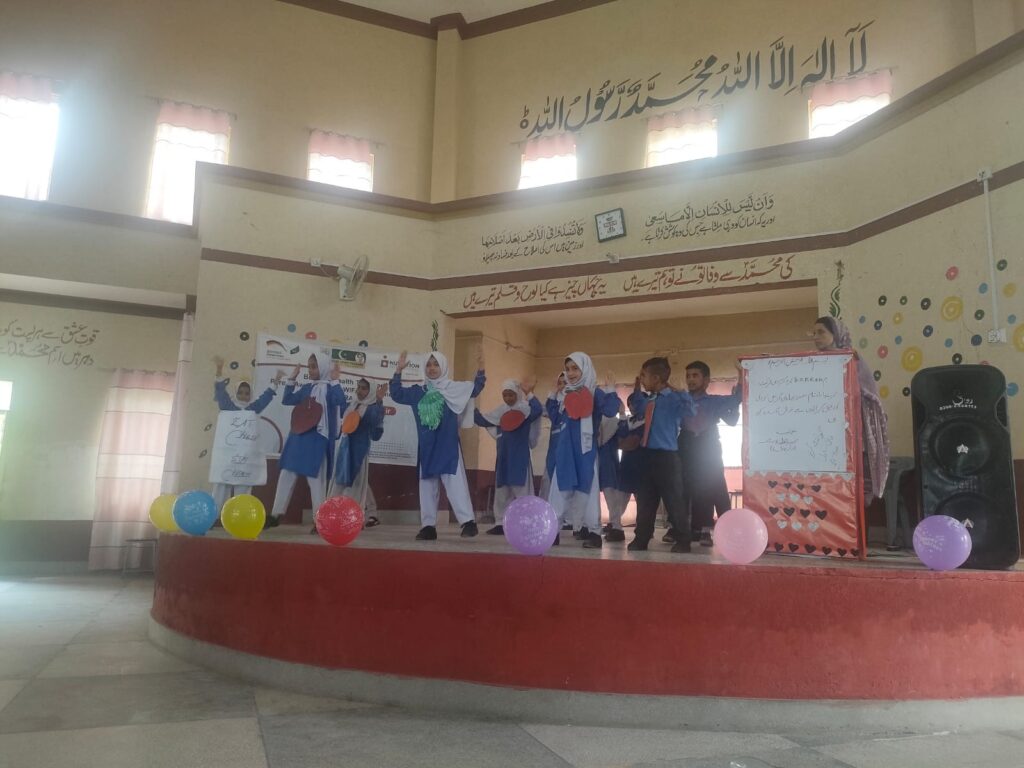
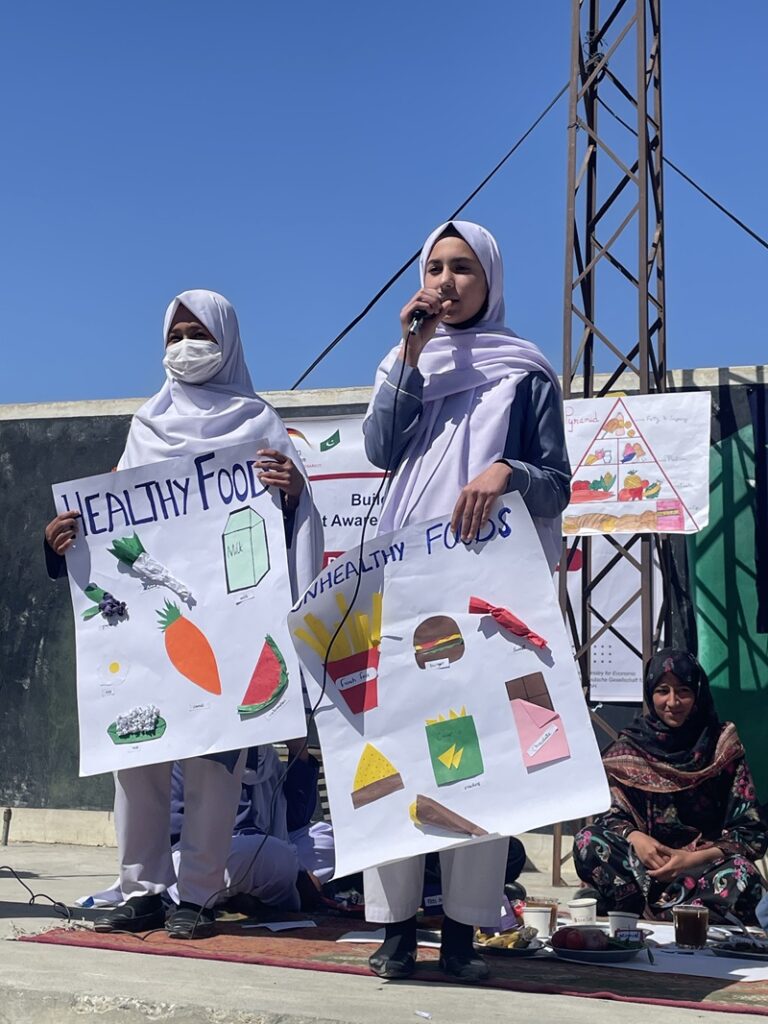
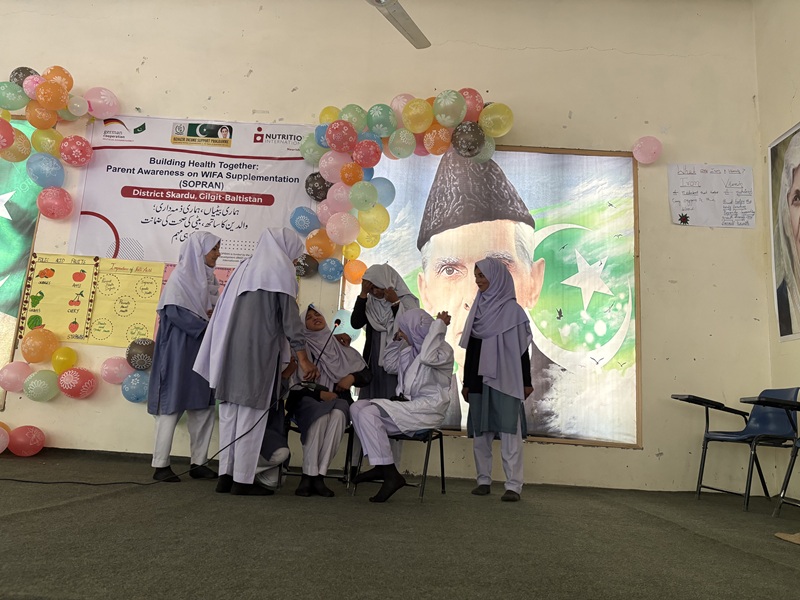
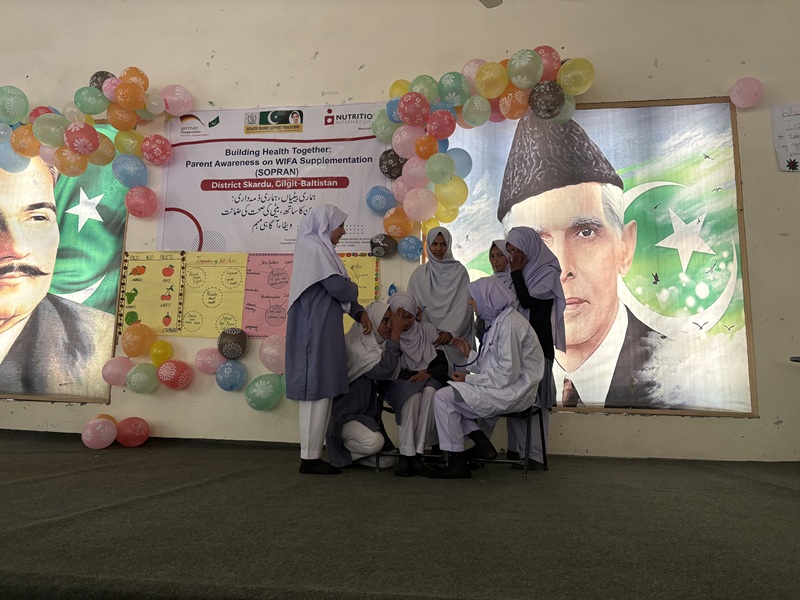
The SOPRAN pilot project leveraged BISP’s Taleemi Wazaif Education Conditional Cash Transfer Programme to address the critical public health challenge of anaemia among adolescent girls in Pakistan. The pilot targetted adolescent girls in 7 districts including Shaheed Benazirabad, Faisalabad, Quetta, Swat, Skardu, Kotli and Islamabad through nutrition education, Social and Behavioural Change Communication (SBCC), Weekly Iron-Folic Acid (WIFA) supplementation and strengthening of small-scale Chakki (Mill) owners for food fortification. CERP conducted the project’s monitoring, learning and evaluation, using a mixed-methods approach to assess changes in nutrition knowledge, dietary practices, supplementation uptake and wider household and social factors shaping adolescent girls’ nutrition. The evidence generated informed programme improvement and the integration of adolescent nutrition into Pakistan’s existing education, health, food and social protection systems.
Tools and Methods Used
A before-and-after study design was deployed, employing a mixed-methods approach which integrated quantitative and qualitative data.
Quantitative surveys were conducted with adolescent girls while Key Informant Interviews and Focus Group Discussions with adolescent girls, their parents and teachers, Lady Health Workers, Chakki (Mill) owners, religious leaders and District Officials were conducted during key stages in the project.
Impact Achieved
The intervention reached 111,370 adolescent girls enrolled in government schools across Pakistan, providing six months of WIFA supplementation alongside targeted nutrition education. The SOPRAN initiative successfully demonstrated that social protection programs are a viable and highly efficient vehicle for nutrition interventions. By bridging the gap between policy and practice, the program has established a blueprint for reducing anemia in Pakistan.