
Overview
Pakistan’s social protection system remains largely reactive, even as recurrent climate shocks such as the 2022 floods push millions further into poverty. The Adaptive Social Protection (ASP) project works to strengthen the system’s capacity to respond to such shocks across federal and provincial levels, through institutional support, data systems, financial inclusion, and climate-resilience interventions.
The Women Agricultural Workers pilot measures changes in formal recognition, financial inclusion, and economic resilience, alongside implementation fidelity and how well services align with beneficiaries’ needs. Mamta Plus assesses how integrated financial inclusion, including digital and financial literacy training, strengthens women’s financial, climate, and household resilience. The Urban Informal Workers pilot assesses whether financial and digital literacy, digital payments, and pathways to formalization improve livelihoods, financial inclusion, and recognition. Cash-for-Work assesses whether short-term wage employment in climate-resilient public works improves household income stability, reduces negative coping, and strengthens resilience to climate shocks.
Tools and Methods Used
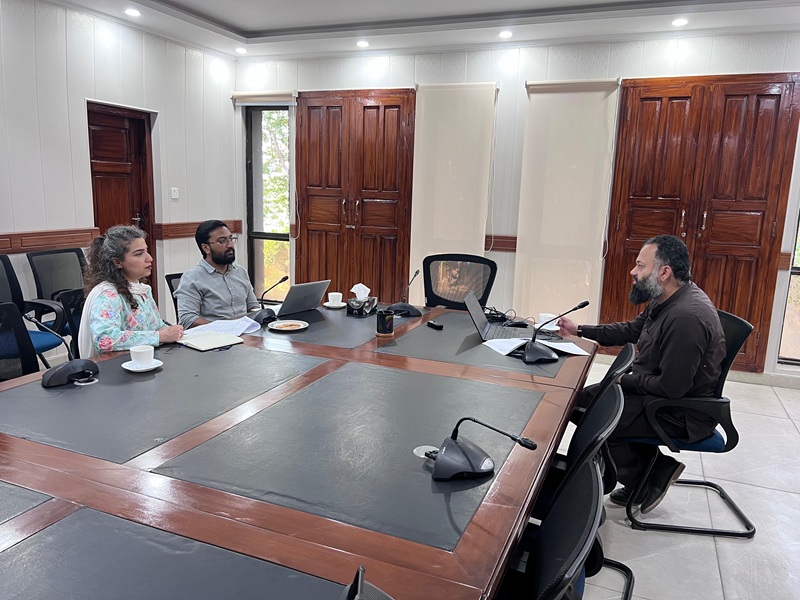
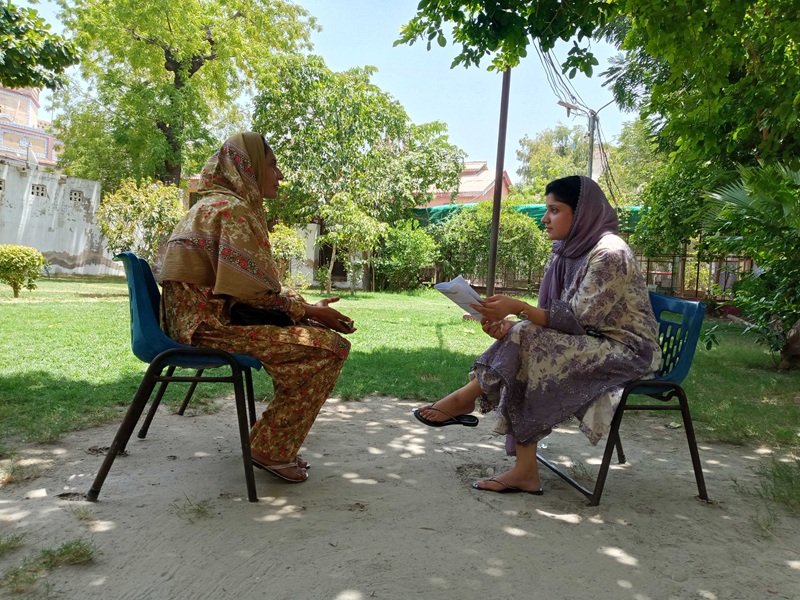
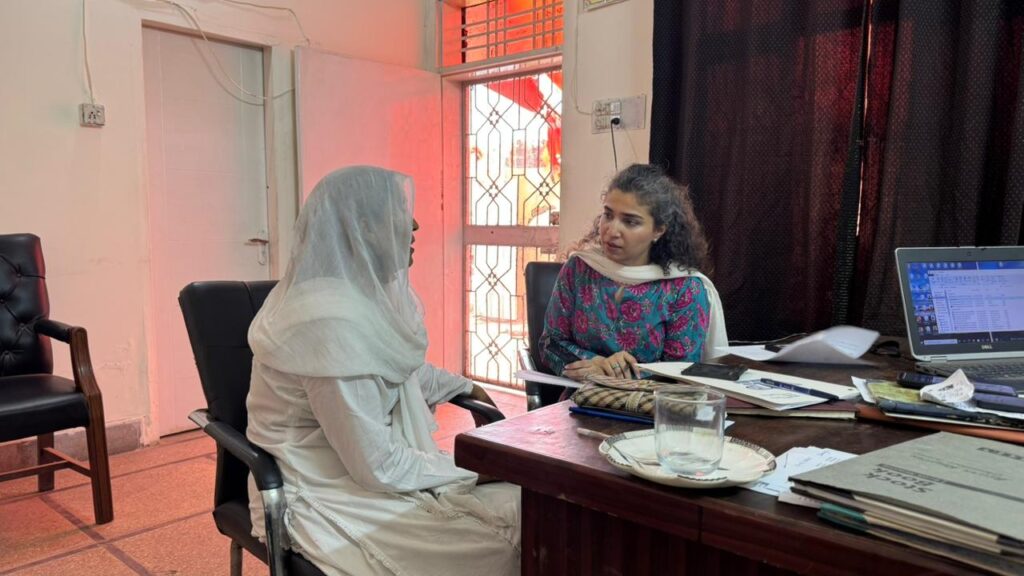
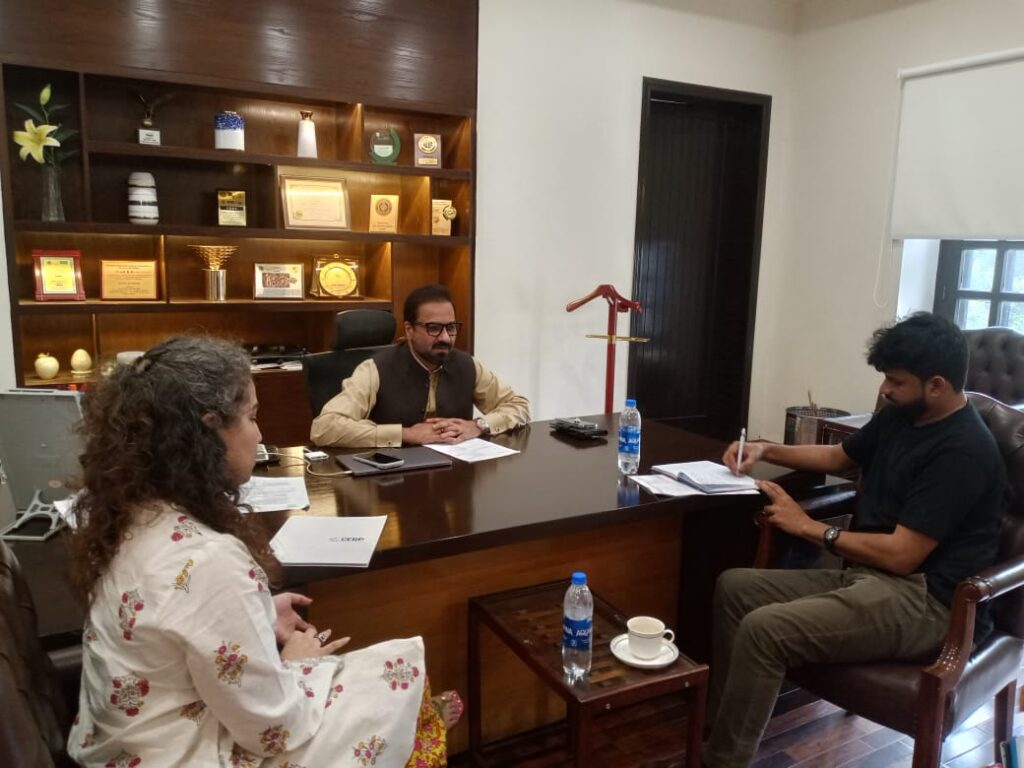
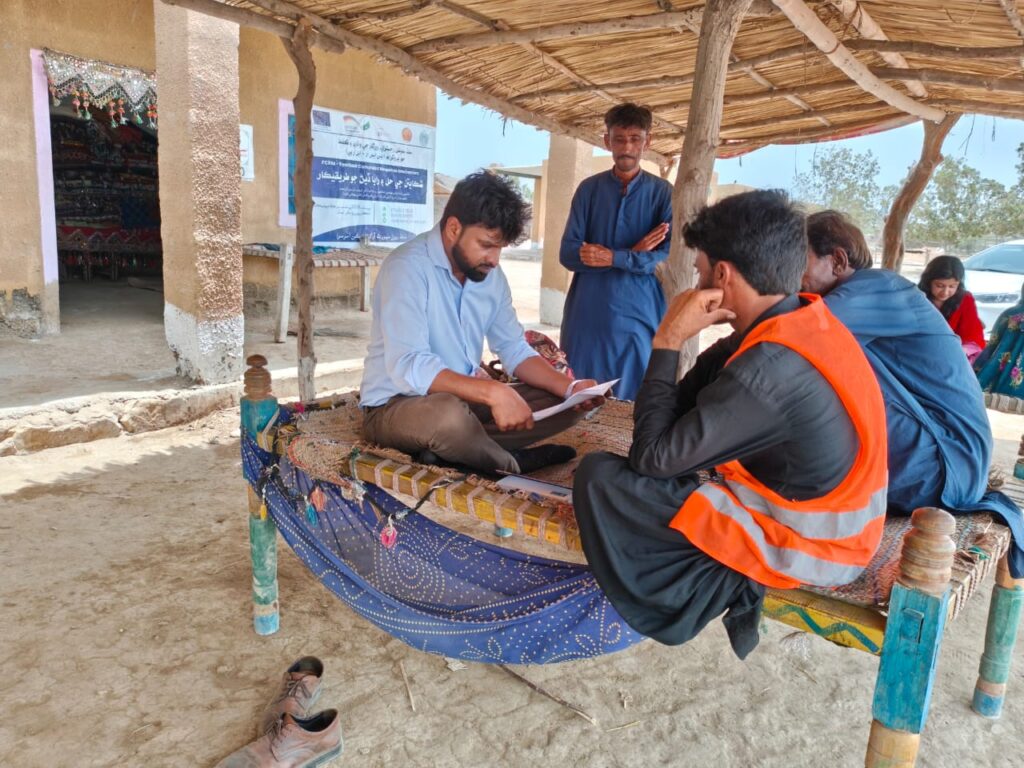
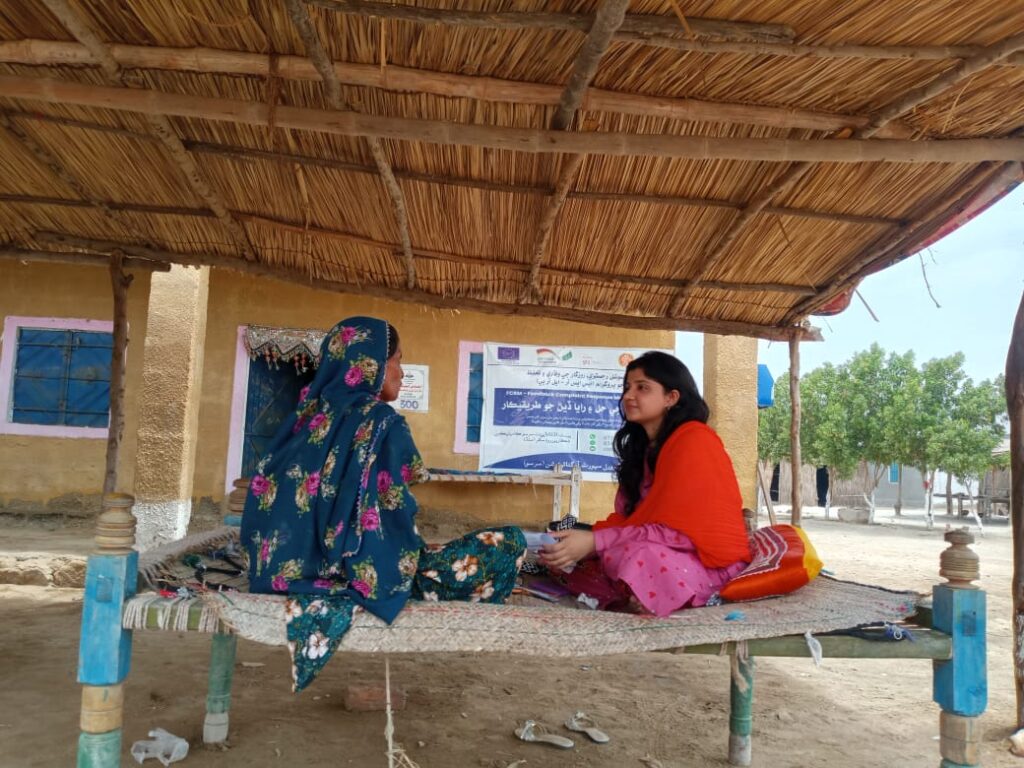
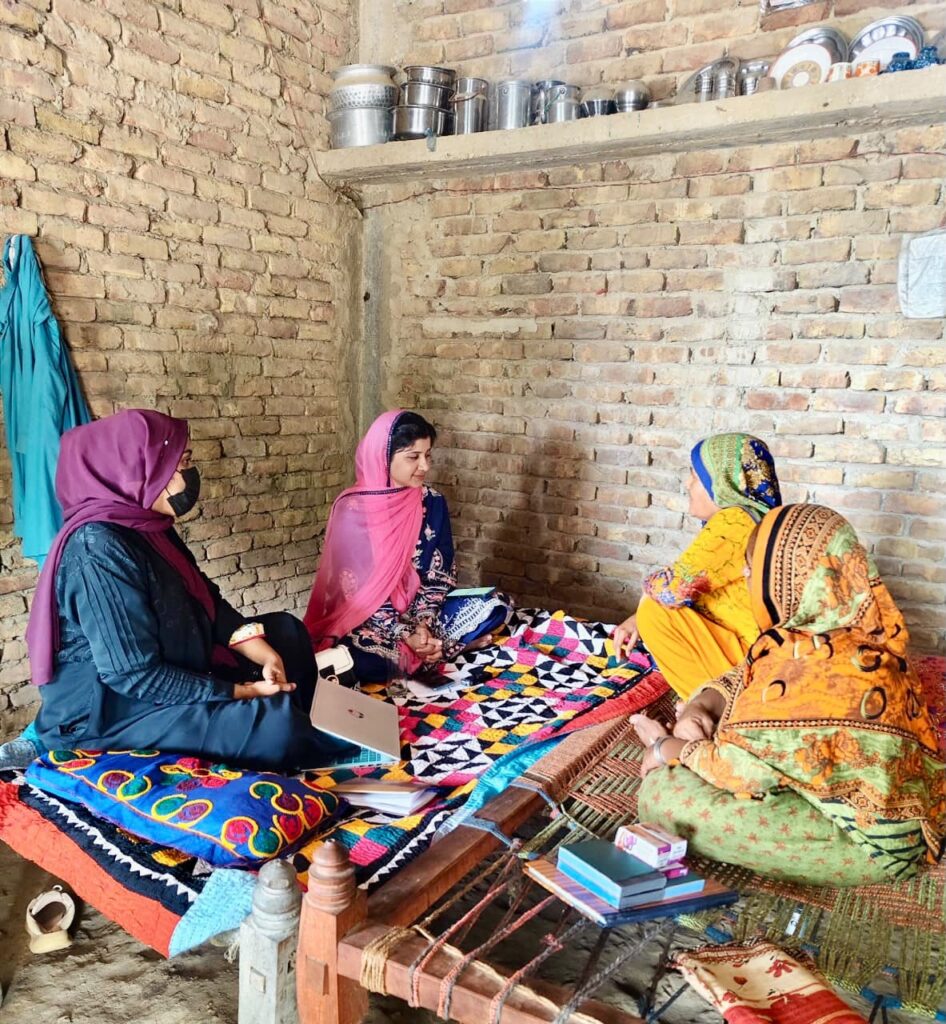
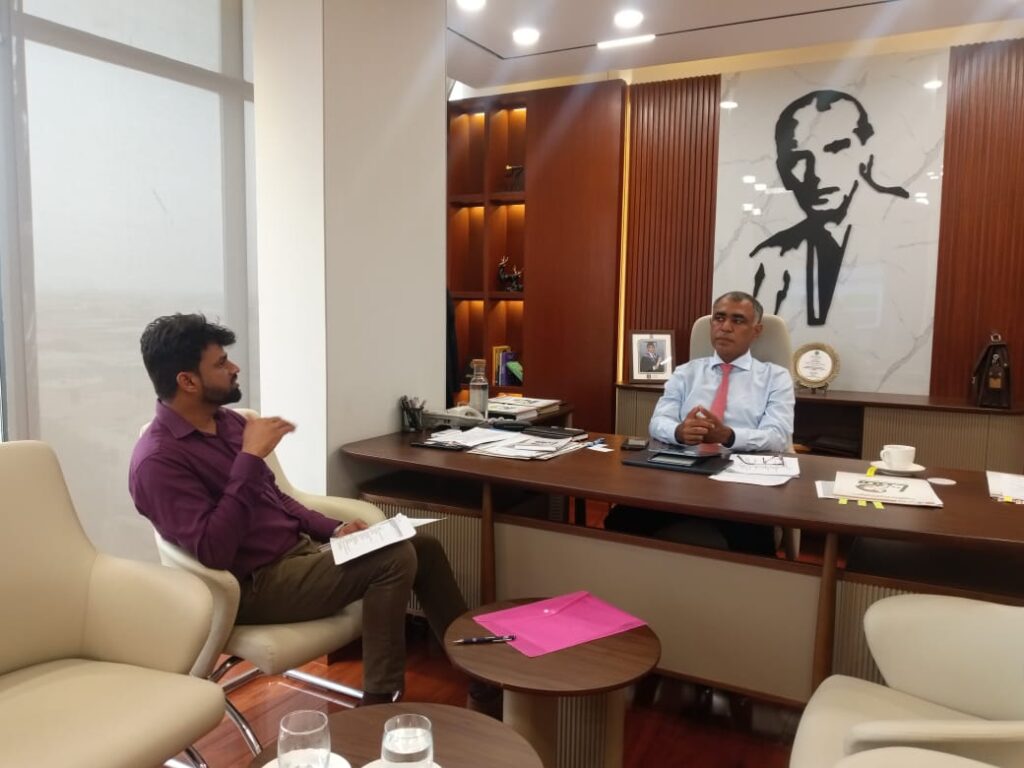
The evaluation uses a convergent parallel mixed-methods design. Household surveys provide quantitative evidence, and Key Informant Interviews supply qualitative insights that enrich the survey findings. There are two main components: a SWOT analysis of the ASP project and an evaluation of 4 pilot projects in Sindh. The SWOT analysis draws on qualitative interviews with institutional and beneficiary stakeholders across Pakistan to assess the project and suggest improvements to service delivery. The pilot evaluation assesses effectiveness, sustainability, and scalability across 4 districts of Sindh. The evaluation tracks progress across baseline, midline, and endline rounds and is currently in its baseline phase. To estimate impact, the study uses a quasi-experimental Difference-in-Differences (DiD) design, comparing outcomes of treatment and control groups over time.
Impact Achieved
This is an ongoing project.