
Overview
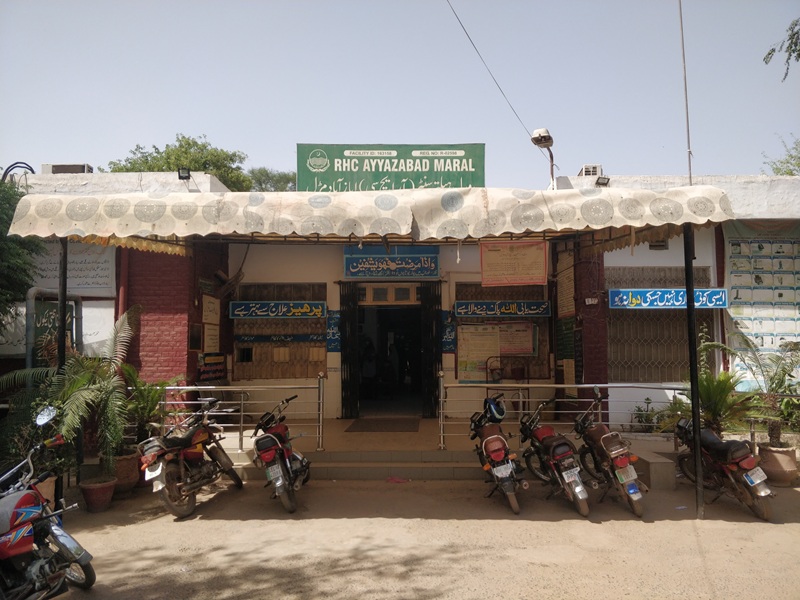
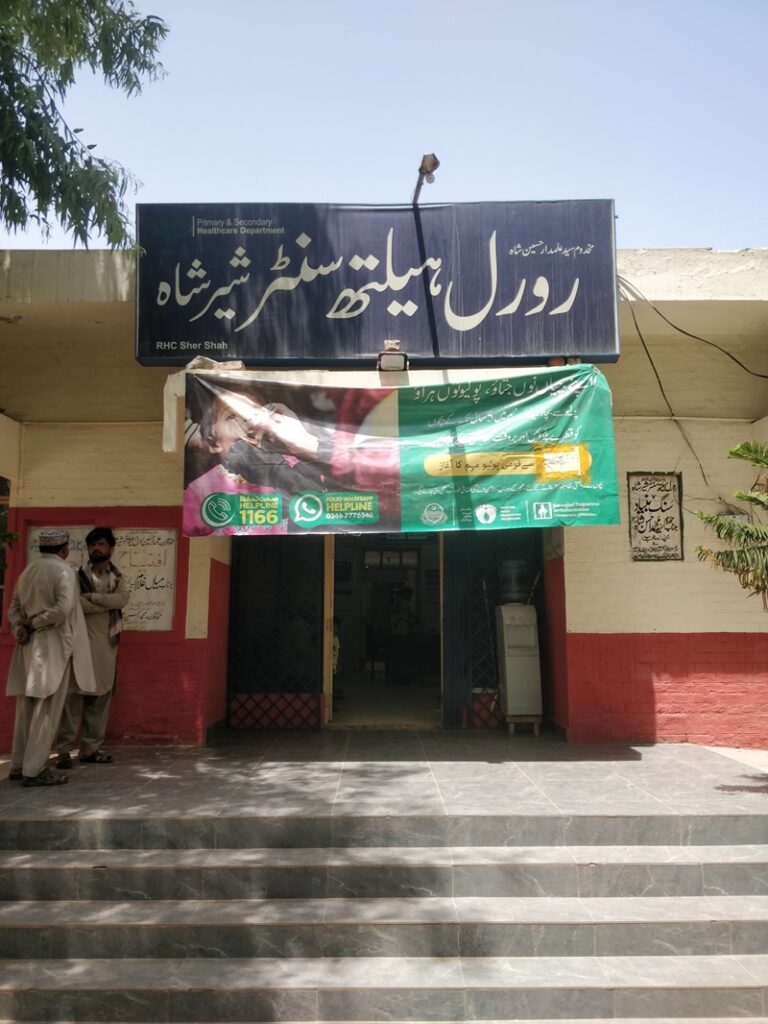
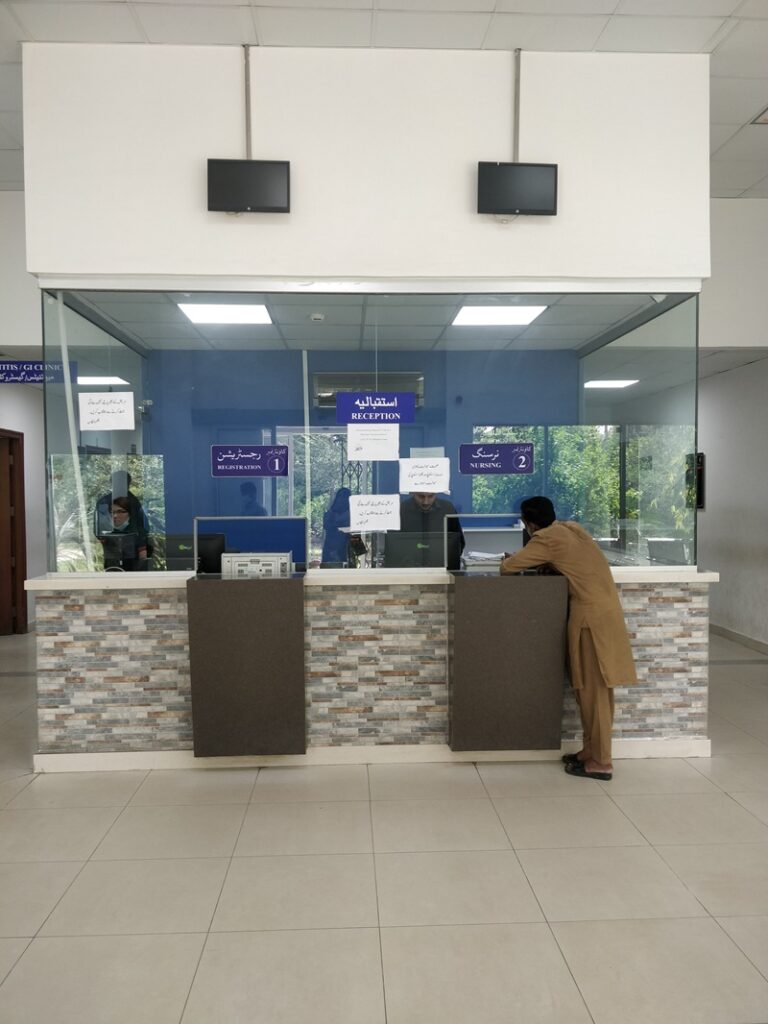
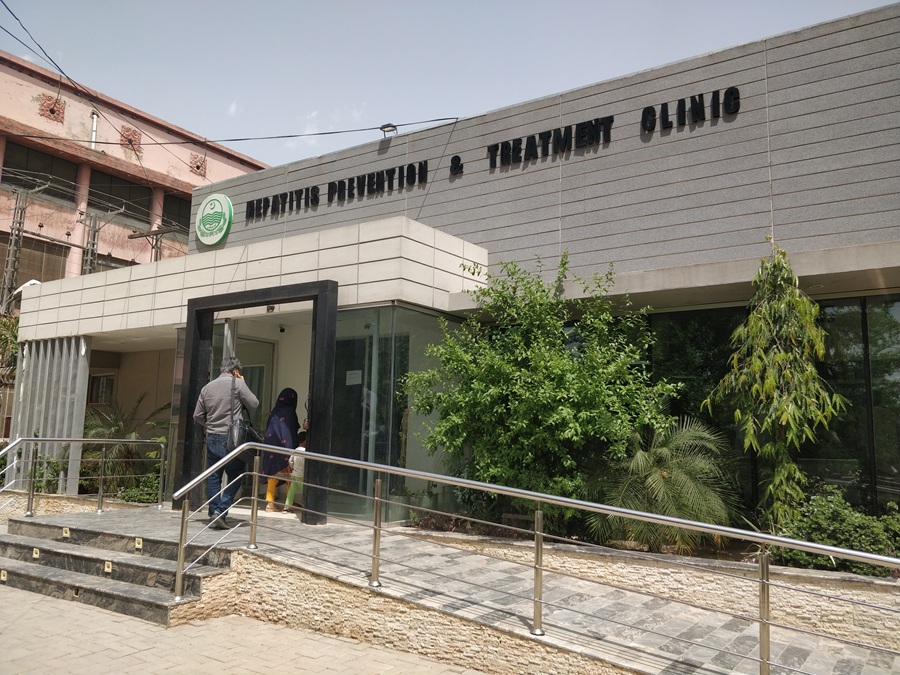
Effective health services depend on understanding who needs care, where needs are greatest, and which conditions occur together. CERP worked with Punjab’s Primary and Secondary Healthcare Department to turn routinely collected screening data into evidence for public health planning and monitoring and evaluation. The project analysed data from approximately 927,000 people screened during the March and October 2023 Integrated Health Weeks, covering Hepatitis B and C, HIV, Diabetes, Hypertension and Obesity.
Tools and Methods Used
CERP used statistical, trend, and geospatial analyses to compare screening results across age and gender groups, and locations. Multimorbidity analysis examined conditions occurring together, while a combined health index assessed health status across multiple conditions. Screening records were also linked with data from the Labour Force Survey, Multiple Indicator Cluster Survey, BISP database and Census to explore relationships with poverty, education and population characteristics.
Impact Achieved
The analysis identified characteristic health patterns among screening attendees. Hepatitis B positivity was higher in men, while hepatitis C, diabetes, and obesity were more common in women. Regional differences highlighted opportunities for more targeted screening and outreach, while the frequent co-occurrence of conditions demonstrated the need to consider multiple health risks together.
CERP translated these findings into practical recommendations for improving data collection, reaching underrepresented groups, strengthening staff analytical capacity, and targeting high-risk populations. Recommendations also addressed sampling limitations to improve future screening data. The project resulted in an evidence base available to the Punjab Health Department, refining their screening programmes and M&E practices.