

Project Overview
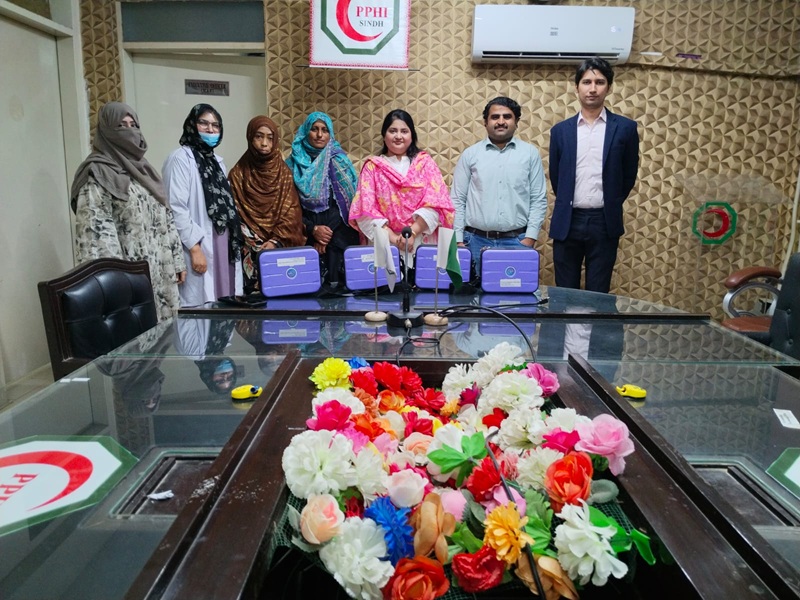
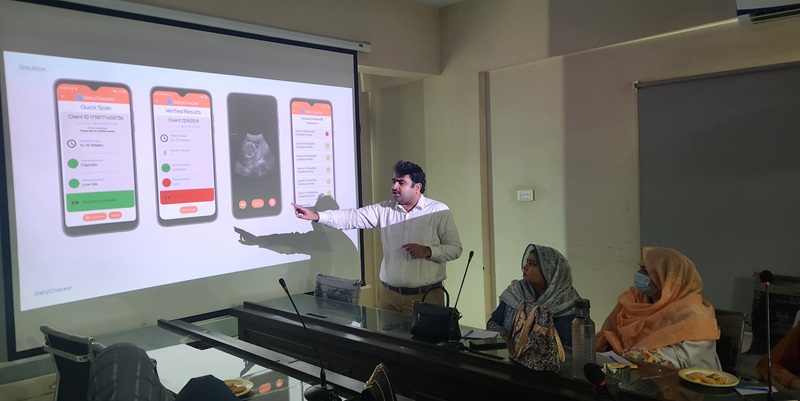
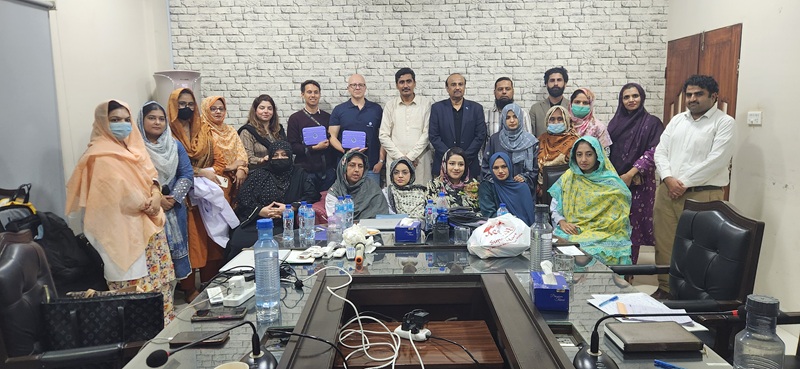
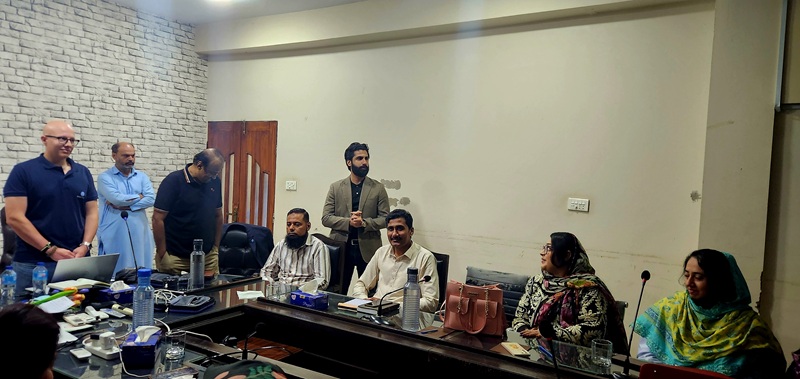
CERP led a pilot study to assess the integration of AI-enabled ultrasound (AI-US) screening and referral into routine antenatal care services in Sindh, leveraging the Government of Sindh’s Mamta social protection programme to target pregnant women. Funded by the Gates Foundation, the pilot was implemented with the Sindh Social Protection Authority (SSPA) and PPHI Sindh, by deploying AI-US devices across six districts and 20 primary healthcare facilities. The study examined whether bringing ultrasound screening closer to pregnant women could support earlier risk identification, timely referral and increased engagement with maternal healthcare services. CERP also adapted the technology and referral process to fit within existing clinical workflows and generated evidence to inform future scale-up.
Tools and Methods Used
The pilot used a stepped-wedge cluster-randomized trial with an open-cohort design, with six districts receiving AI-US at different stages and contributing observations before and after implementation. Data collection included 1,378 quantitative surveys at baseline, midline and endline; 82 facility-based exit surveys; 20 Key Informant Interviews and 10 Focus Group Discussions with beneficiaries, healthcare providers and community participants; regular field observations; AI-US scan data; and linked SSPA administrative records. An interactive dashboard to reflect daily scans and referrals was developed to assist the implementing leads and field staff.
Impact Achieved
The pilot demonstrated that AI-US screening could be integrated into routine primary-level ANC services with appropriate provider training, clinical oversight and referral systems. It generated 1,674 usable scans for 1,528 pregnant women, identifying 340 high-risk pregnancies and generating 153 referrals. Among tracked referrals, completion reached 90.6%. The intervention also expanded ultrasound access in low-resource settings. Among tracked and referred women from these facilities, 84.1% delivered in a health facility. The study further identified earlier Mamta enrolment and a 7.5% increase in programme enrolments after implementation, while highlighting the training, clinical discretion and referral infrastructure required for responsible scale-up.