
Overview
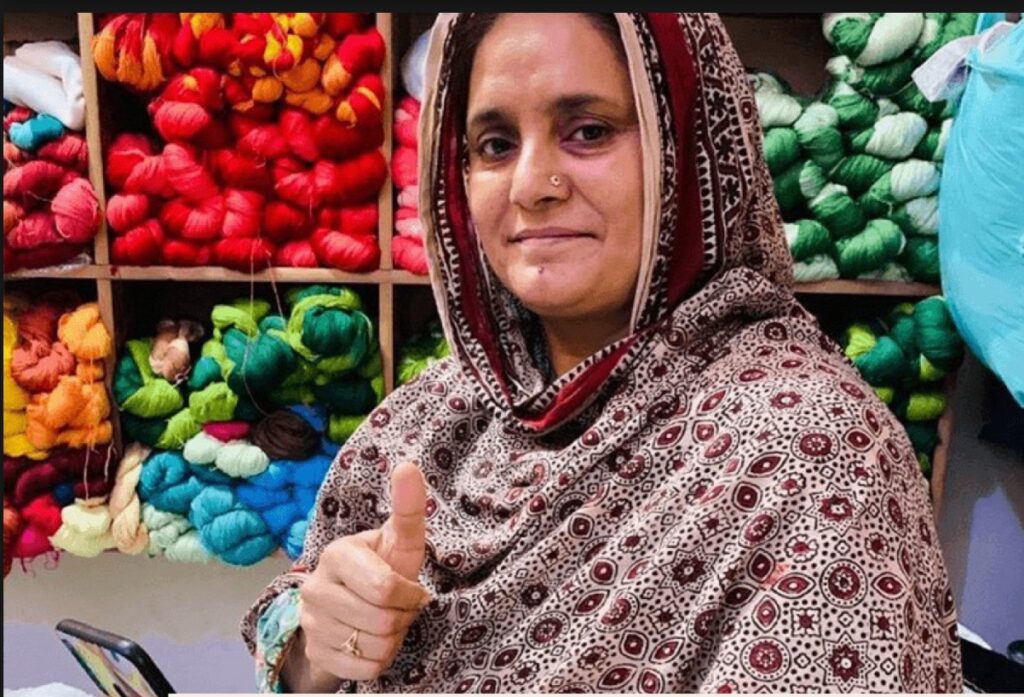
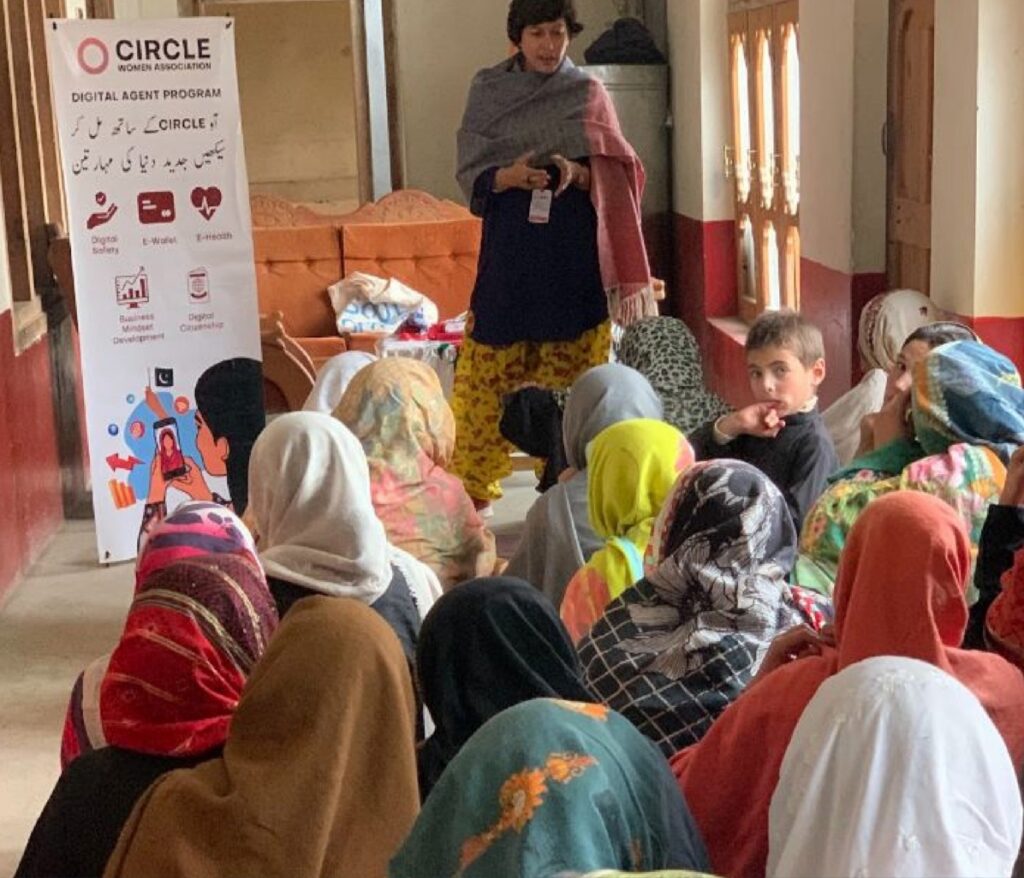
Digital and financial skills can help women entrepreneurs grow their businesses but effective training requires consistent participant selection, coordinated delivery and reliable data. CERP partnered with CIRCLE Women Association to strengthen its Digital Literacy Programme, which supported low-income women entrepreneurs across Pakistan. The collaboration addressed screening inconsistencies, unclear responsibilities and fragmented data processes through three connected stages of programme optimisation.
Tools and Methods Used
Stage 1: Diagnose and Co-Design. Exploratory meetings, process journey mapping and a two-day human-centred design workshop examined nine programme processes. Field and head office teams identified challenges, developed solutions and assigned champions to oversee follow-up.
Stage 2: Standardise and Test Screening. CERP developed screening criteria, scoring rubrics, standard operating procedures and an offline digital tool that automated scoring and eligibility decisions. Staff training and field pilots informed further refinements.
Stage 3: Embed Data and Monitoring Systems. CERP linked performance indicators to the programme’s Theory of Change and developed interactive dashboards. We automated data processing, while spot checks, verification calls and reporting protocols supported quality assurance.
Impact Achieved
Screening became more consistent and efficient across regions, with clearer candidate communication and fewer delays. Staff gained practical tools and training to manage selection, interpret data and monitor delivery. The human-centred design process strengthened collaboration and ownership, while dashboards and quality checks improved visibility into programme performance.
Together, these changes gave CIRCLE Women Association a stronger operational foundation for delivering digital and financial literacy training and continuously improving its support to low-income women entrepreneurs.
Case Study/Resources
- Case-Study-1-Circle-Women-Enhancing-Program-Optimization-through-Screening-Process-Standardization-.pdf
- Case-Study-2-Circle-Women-Strengthening-Program-Implementation-through-Data-Monitoring-Systems.pdf
- Case-Study-3-Circle-Women-Transforming-Challenges-into-Opportunities-using-Human-Centred-Design-Thinking.pdf