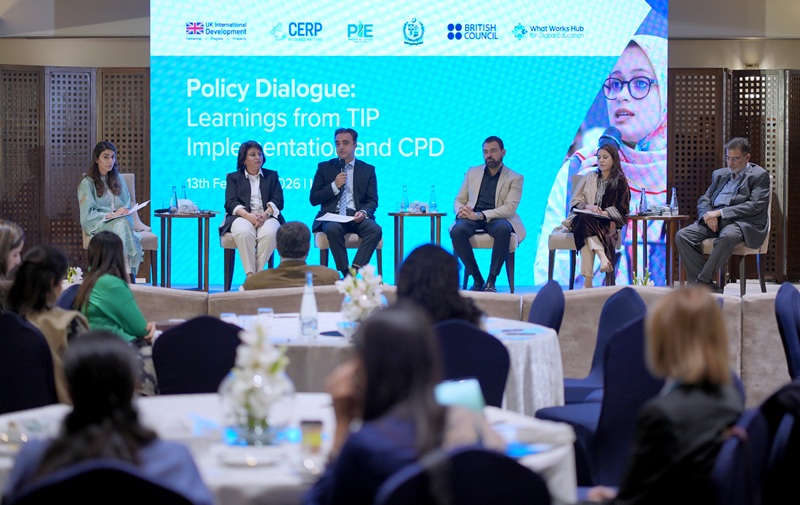
The Targeted Instruction Pakistan (TIP) programme expanded to 60 public schools in Quetta, Balochistan, between February and July 2025, reaching 422 teachers and 20,869 students to assess its scalability under real-world conditions. Building on evidence from randomised controlled trials in Khyber Pakhtunkhwa and Islamabad Capital Territory, the 40-day remedial initiative combined diagnostic student sorting, scripted lesson plans, weekly formative assessments, and a tech tool to strengthen foundational literacy and numeracy. Implemented through a partnership between the Balochistan Education Department, Taleemabad, and CERP, and funded by the What Works Hub for Global Education (WWHGE), the initiative sought to transition TIP from a research-tested intervention to a government-embedded reform. Alongside implementation, we systematically mapped the journey from evidence to scale, documenting the political, bureaucratic, operational, and technological processes required to integrate TIP into provincial systems. The process mapping generated practical lessons on stakeholder coordination, implementation fidelity, teacher support, technology adoption, and policy integration, providing a practical roadmap for the future scale-up of evidence-based foundational learning programmes across Pakistan.